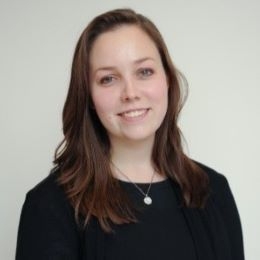
Mae Bowen 16C
Negotiations for environmental treaties are complex and fascinating, and my appreciation for this particular policymaking process changed dramatically after observing COP21. The experience of meeting government negotiators and watching them collaborate to craft the Paris Agreement changed my entire academic and professional trajectory. I’ve known since I was young that I wanted to become a public servant and protect the environment, but this invaluable experience convinced me to choose to do so as a lawyer, and maybe also as a diplomat.
Since leaving Emory I have had the opportunity to come full circle on my COP21 experience. I have worked with the United Nations International Law Commission to craft guidelines for States on protection of the atmosphere. And I interned during law school at the U.S. Department of State Office of the Legal Adviser, where I worked with our government’s negotiators to prepare for COP25. None of this would have been possible, nor even on my radar, if not for the opportunity to join Emory’s first delegation to the COP. In 2020, I graduated from the New York University School of Law.
After participating in COP 21 and founding the Emory Climate Organization with my fellow student delegates back in 2016, a few of us decided that the fun and advocacy didn’t have to end when when we graduated, so we founded the Emory Alumni Environmental Network. Join us to build community and professional skills as you enter the environment and sustainability industry!

Taylor McNair 16C, 16BBA
GridLab supports clean energy advocates, regulators, and policymakers to remove barriers to clean energy adoption. While much of their work is at the state level, often intervening in front of public utility commissions, they also produce thought leadership and content on emerging technical energy grid issues and are often viewed as a go-to source for technical grid expertise. Last year, GridLab helped release the 2035 Report, an analysis detailing how the U.S. can achieve 90% clean energy by 2035. As Program Manager, Taylor manages many of technical grid projects, supporting things like national/regional decarbonization studies or analyses and critiques of proposed fossil fuel plants.
COP 21 in Paris, along with the class taught by Professors Longhofer, Saikawa, Tefft, was probably the defining moment of Taylor's undergraduate experience. In Paris, he was able to observe his interests and educational experiences collide in a real world setting. Observing the negotiations and participating in side events allowed Taylor to see how policy and technology influence each other, and he got the chance to witness how certain stakeholders, corporations, key regulators, etc. sought to influence policymaking on the global scale. Not to mention, he got to spend 2 weeks in Paris with some of the brightest, most engaging, and interesting group of students and professors.
