About Emory Climate Hub

Emory Climate Hub promotes climate literacy by facilitating knowledge sharing, experiential learning, and community building

Our Team

Image
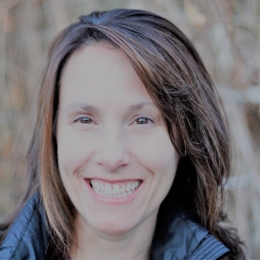
Eri Saikawa, PhD

Eri Saikawa, PhD

Director of Emory Climate Hub & Faculty Advisor
Eri Saikawa, PhD, is an Associate Professor in the Department of Environmental Sciences at Emory University and the Director of Emory Climate Hub. Professor Saikawa's research is diverse covering areas of atmospheric chemistry, environmental health, biogeochemistry, climate science, environmental policy/politics. In addition to her work with Emory Climate Hub, she also serves as a Co-Director of the Resilience and Sustainability Collaboratory.
Image
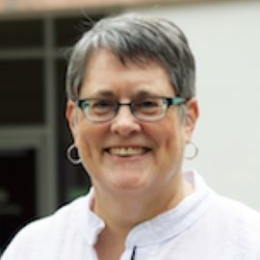
Leah Thomas

Leah Thomas, M.Ed.

Undergraduate Academic Programs Coordinator
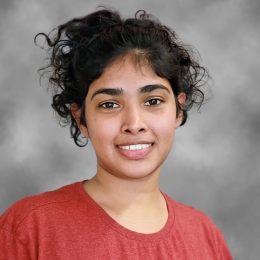
Leah Thomas supports programming at Emory Climate Talks. She has worked at Emory since 2014 in the Department of Environmental Sciences.
Leah Thomas supports programming at Emory Climate Talks. She has worked at Emory since 2014 in the Department of Environmental Sciences.

Image
Hannah headshot

Hannah Kezia Jose, '26 LGS

Climate Communication Associate, COP30 Delegate
Hannah Kezia Jose is a dedicated Community Development Professional with expertise in knowledge management, program coordination, and capacity building. With extensive experience in climate resilience and disaster risk reduction, she has worked at both national and grassroots levels across India’s development and humanitarian sectors.
Hannah has collaborated with governmental and non-governmental organizations, including CARE USA, Sphere India, and Shreyas, in various capacities. Her work focuses on designing and developing capacity-building modules, knowledge management and communication strategies and fostering multi-stakeholder partnerships to support vulnerable populations. Skilled in fostering partnerships across global sectors and managing diverse stakeholder relationships, Hannah is passionate about locally-led adaptation strategies, participatory governance, and inclusive development. Her efforts aim to promote equity and resilience for marginalized communities, ensuring their voices shape sustainable solutions. Hannah holds a Master’s in Development Studies from BRAC University and a Bachelor of Science in Public Health from Asian University for Women. She is currently pursuing a Master’s in Development Practice at Emory University, concentrating in Sustainable Environment and Livelihoods, to further her expertise in sustainable development and environmental conservation.
Image
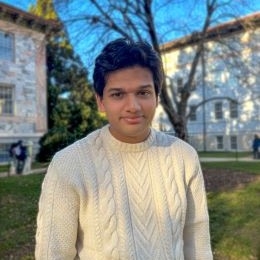
Sohan Bellam

Sohan Bellam 26C

Newsletter Editor-in-Chief, SB60 DelegateCOP28, COP29, SB60
Sohan is a sophomore in Emory College of Arts and Sciences studying International Relations and Quantitative Sciences.
On campus, he conducts research in Emory Law School and the Political Science Department, is a competitive team member of the Barkley Forum for Debate, Dialogue and Deliberation and is a Legislator in Student Government Association. Off campus, he interns for the U.S. Delegation to the United Nations Human Rights Council, where he has firsthand observed the impact of economic aid and coercive measures on climate change. Sohan is fascinated by the role international organizations and diplomacy in the world order, and hopes to pursue a career in supporting multilateral fora and the defense of democracy through data-driven methods, building a more equitable and sustainable world. Areas of interest at COP28: Human Rights, International Politics, Climate Negotiations, Diplomacy
Image
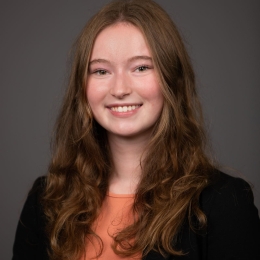
headshot of Lainey Render

Lainey Render, '27 RSPH

Digital Content Coordinator, COP30 Delegate
With a BS in Civil Engineering from Georgia Tech, Lainey has a background working on resilient water infrastructure with Engineers Without Borders, sustainable food systems with the Urban Agriculture Project, and low-resource building efforts in post-conflict settings with Georgia Tech's High Performance Building Lab.
She is passionate about the intersection of the built environment with environmental and human health as well as sustainable global development in the face of the changing climate.
Past Team Members
Image
Sheila Tefft

Sheila Tefft

Digital Content Editor and Senior Lecturer Emerita in the Emory English Department
Sheila L. Tefft is an international educator, administrator and journalist. She began teaching multimedia journalism, writing in the sciences and other specializations after a lengthy career as a journalist, including 12 years as a foreign correspondent in Asia. She served as Emory Journalism director from 2000 to 2009 and has co-led Emory student delegations to the annual United Nations climate talks. 
History

Emory at Climate Talks

Image
COP25
2019

COP25 - Madrid

The largest Emory student delegation attended COP25 in December 2019. Students from Emory College, Goizueta Business School, Laney Graduate School and Rollins School of Public Health attended and participated in the talks.
Image
COP24
2018

COP24 - Krakow

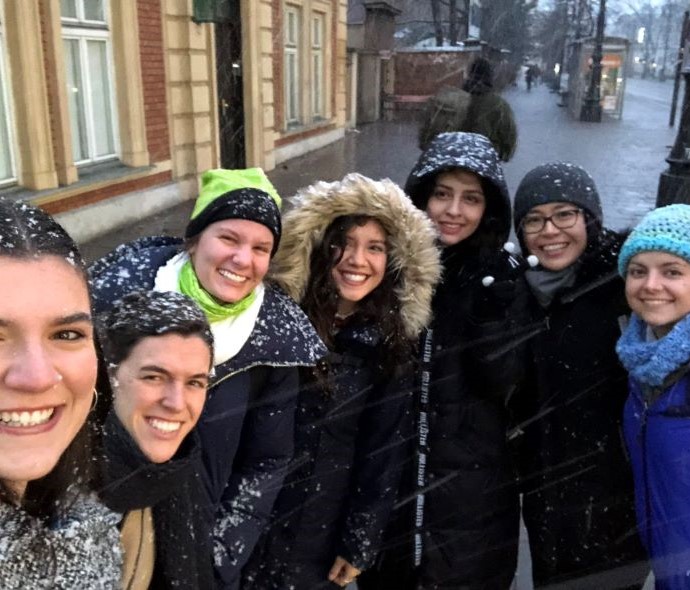
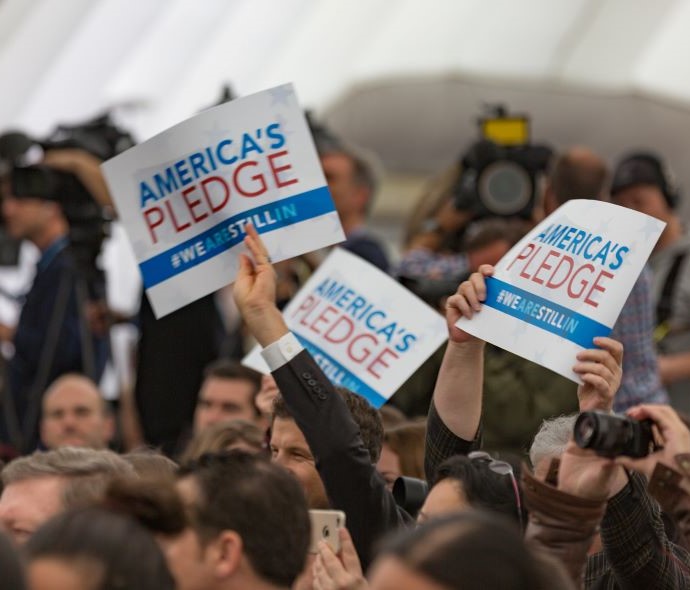
Ten Emory students attended COP24 in Krakow in November 2018
Image
COP23
2017

COP23 - Bonn

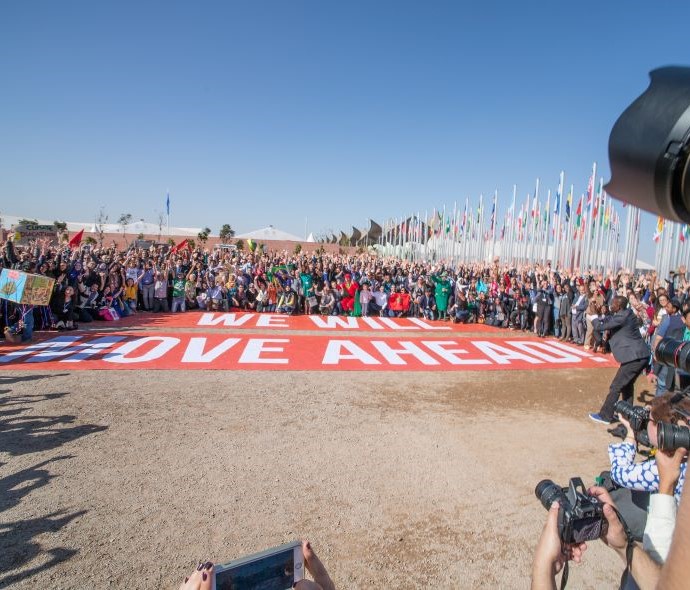
Twelve Emory students attended COP23 in Bonn, Germany in November of 2017
Image
COP22
2016

COP22 - Marrakesh

Nine Emory students participated in the conference and presented climate change research conducted at Emory.
Image
Paris COP
2015

COP 21 - Paris

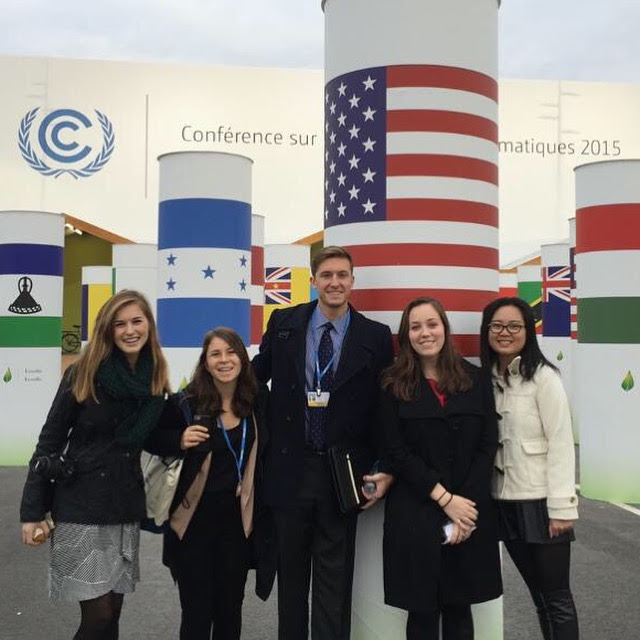
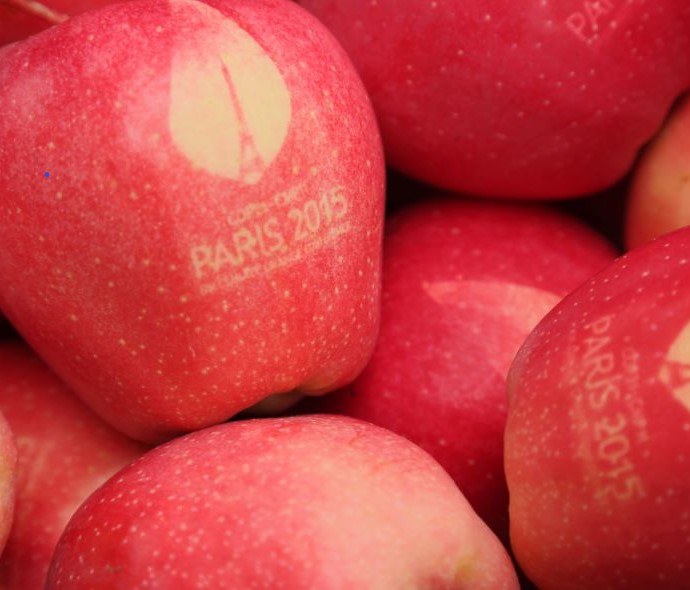
The first delegation of nine students and two faculty members, Professor Saikawa and Professor Longhofer attended the Paris conference for the full two weeks in December of 2015.
Image
Photo courtesy of UN COP flickr
2013

Application for NGO status

The university compiled a list of faculty doing research on climate topics, along with other information that told the story of Emory’s commitment, which was submitted in a letter from President Wagner to the UN in December of 2013. Emory was approved as a Non-Party Stakeholder in 2014 with approval to send 12 Emory representatives each year to the annual Conference of Parties (COP).
Image
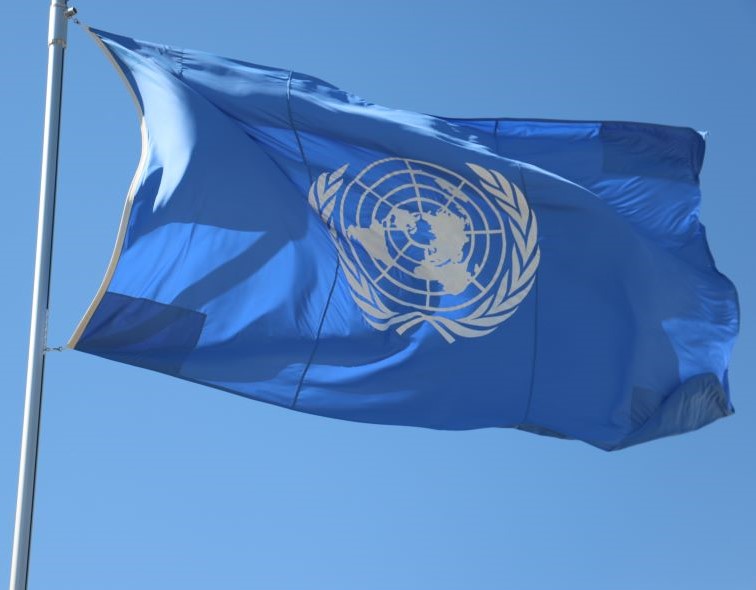
UN flag
2013

The Idea

An idea was germinating in 2013, why wasn’t Emory University one of the 20 or so universities (at the time, today there are more than 50 U.S. universities) participating as observers to the United Nations Framework Convention on Climate Change (UNFCC)? As a university with deep commitments to sustainable practices and climate change related research, it seemed fundamental that Emory faculty and students be able to experience these international meetings first-hand. Professor Stefanie Sarnat in the Gangarosa Department of Environmental Health in the Rollins School of Public Health and her PhD student, Cassandra O’Lenick, submitted the necessary application materials.